Creating Spaces of Healing and Belonging in Dance Education

Why the environment your child learns in matters as much as the steps they master.

When you picture your child in a ballet class, what do you see? Perhaps a room full of young dancers in pink leotards, learning to point their toes and hold their arms just so. But here’s something that might surprise you: the most important thing happening in that studio has nothing to do with technique.

“Developing a dancer does not just include teaching them technique, but it also requires that their teachers create a positive and healthy space for them to learn and thrive,” says Molly Schnyder, director of training programs at American Ballet Theatre.

As parents, we often focus on finding the “best” dance school. This might mean the one with the most accomplished teachers or the most impressive recitals to some parents, but emerging research and leading voices in dance education are pointing us toward a different question: Does this space help my child feel like they truly belong?

Why “Belonging” Is the Word That Changes Everything

Dr. Durell Cooper, Founder and CEO of Cultural Innovation Group LLC, emphasizes that language matters deeply in how we approach dance education. The word belonging carries weight that “inclusion” or “welcome” simply don’t.

Belonging means your child isn’t just allowed in the room, they’re essential to it. Their presence, their body, their unique way of moving contributes something irreplaceable to the class.

This matters because children are perceptive. They pick up on whether they’re truly valued or merely tolerated. And when a child feels genuine belonging, something remarkable happens: they take risks, they ask questions, they fall down and get back up without shame.

The Body Remembers What We Don’t Say Out Loud

You may have heard of the groundbreaking book The Body Keeps the Score, which explores how our bodies hold onto stress, trauma, and emotion. This principle applies directly to how children experience dance class.

Young children absorb the energy of their environment. A classroom filled with harsh corrections, comparison, or rigid perfectionism doesn’t just affect their mood, it can shape how they feel about their own bodies for years to come.

On the other hand, dance education rooted in what some educators call somatic abolition offers something powerful: a way for children to process the pressures of their world through movement rather than carrying that weight silently.

Think about it. Your child navigates a world full of messages about how they should look, act, and perform. A dance class can either add to that pressure, or provide a rare space where their body becomes a source of joy and expression rather than critique.

Before the Plié: What Your Child Needs First

Educational scholar Gholdy Muhammad puts it simply: “Before we get to the curriculum and standards, our students need to know they are loved.”

This isn’t permissive coddling, but foundational belonging. Children who feel secure and valued learn faster, retain more, and develop genuine passion for what they’re studying. Children who feel anxious or judged spend their mental energy on self-protection rather than growth.

So what does a loving dance classroom actually look like in practice?

Author and activist Sonya Renee Taylor offers a framework she calls “unapologetic agreements”  which describes principles that transform how teachers and students interact:

  • Celebrate difference rather than expecting everyone to look the same
  • Embrace curiosity over perfection
  • Acknowledge that discomfort is part of growth, and that’s okay
  • Practice kindness as a non-negotiable standard
  • Honor each child’s unique journey rather than measuring everyone against a single ideal

When teachers embody these principles, something shifts. The classroom becomes a place where your child can try, fail, laugh, and try again without the sting of shame.

What to Look for When Choosing a Dance School

As you consider dance education for your child, here are questions worth asking:

How does the teacher give corrections? Look for language that guides without shaming. “Let’s try lengthening through your spine” feels very different from “You’re slouching again.”

Is there room for individuality? While ballet has its fundamental structure, healthy programs leave space for children to bring their own expression and creativity to movement.

How does the studio talk about bodies? Be wary of environments that emphasize certain body types or use weight-based language, even subtly.

What’s the energy in the room? Trust your instincts. When you observe a class, notice whether children seem relaxed and engaged or tense and fearful.

Does your child light up or shut down? After class, pay attention. A child in a nurturing environment talks excitedly about what they learned. A child in a harmful one may become quiet, resistant, or anxious.

Freedom to Dream, Permission to Grow

The most transformative dance educators incorporate what scholars call radical imagination and freedom dreaming into their teaching. In practice, this means encouraging children to envision movement beyond what already exists, to create, to wonder, to ask “what if?”

For young dancers, this might look like a teacher asking, “How would a cloud dance?” or “Show me how happy feels in your feet.” These invitations tell children that their ideas matter, that dance is a living art form they can shape not just a set of rules to memorize.

This approach builds more than dancers. It builds confident, creative, embodied humans who know their voice has value.

The Gift of Getting It Right Early

Your child’s first experiences with structured movement will shape how they relate to their body, to learning, and to artistic expression for decades to come. Choosing a dance environment rooted in belonging, healing, and genuine care isn’t about being “soft” on standards, it’s about building the foundation that makes real growth possible.

When children feel safe, they soar. When they feel loved, they take the kinds of risks that lead to true artistry. When they belong, they don’t just learn ballet, they discover what their body can do, what their imagination can create, and who they’re becoming.

That’s the kind of dance education worth seeking out.

Looking for a dance home where your child will be seen, valued, and inspired? Give us a call today to schedule your free trial class!
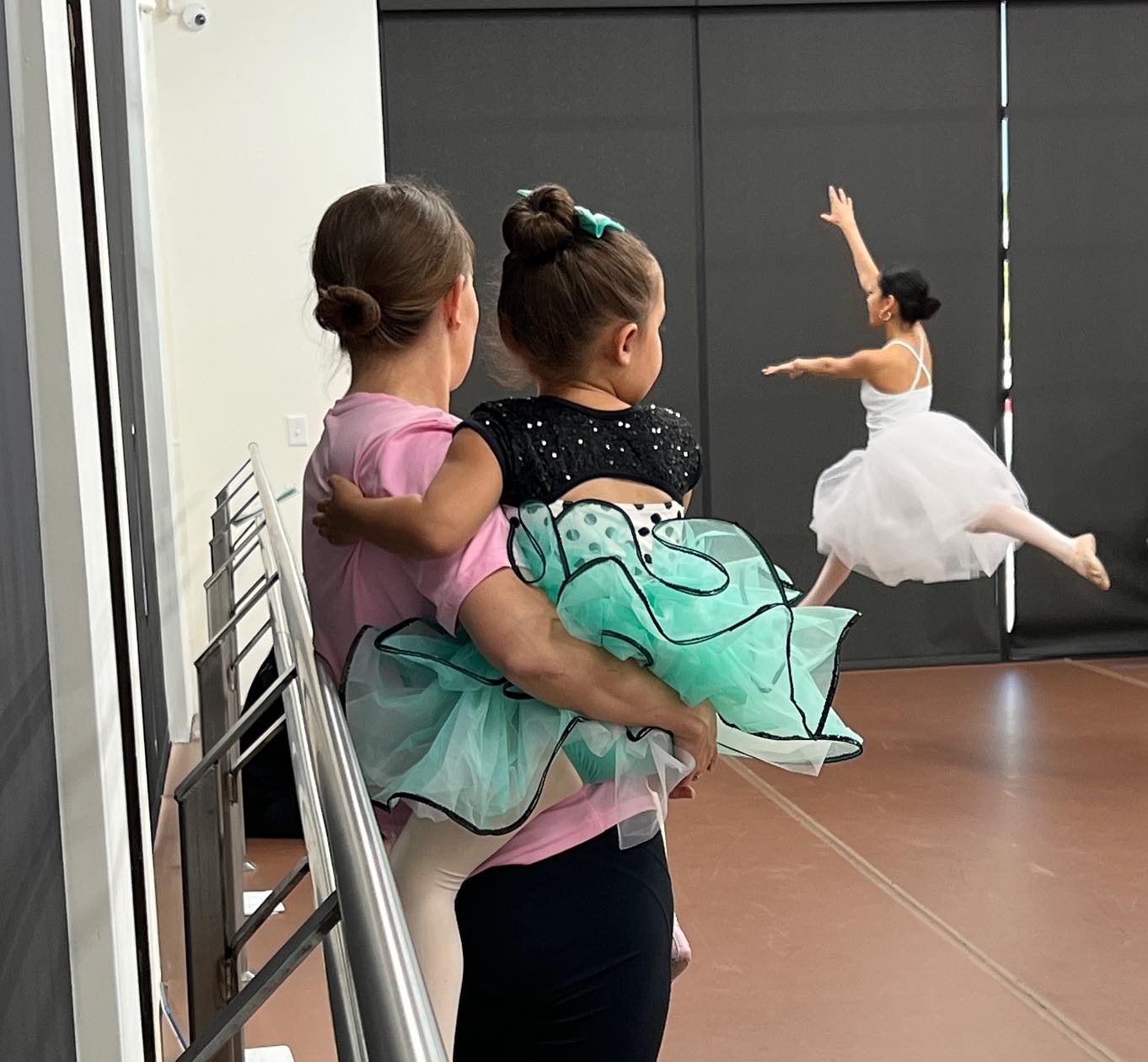
Starting Dance at a Young Age Can Shape Confidence for Life

What every Katy-area parent should know before their little one takes the floor.
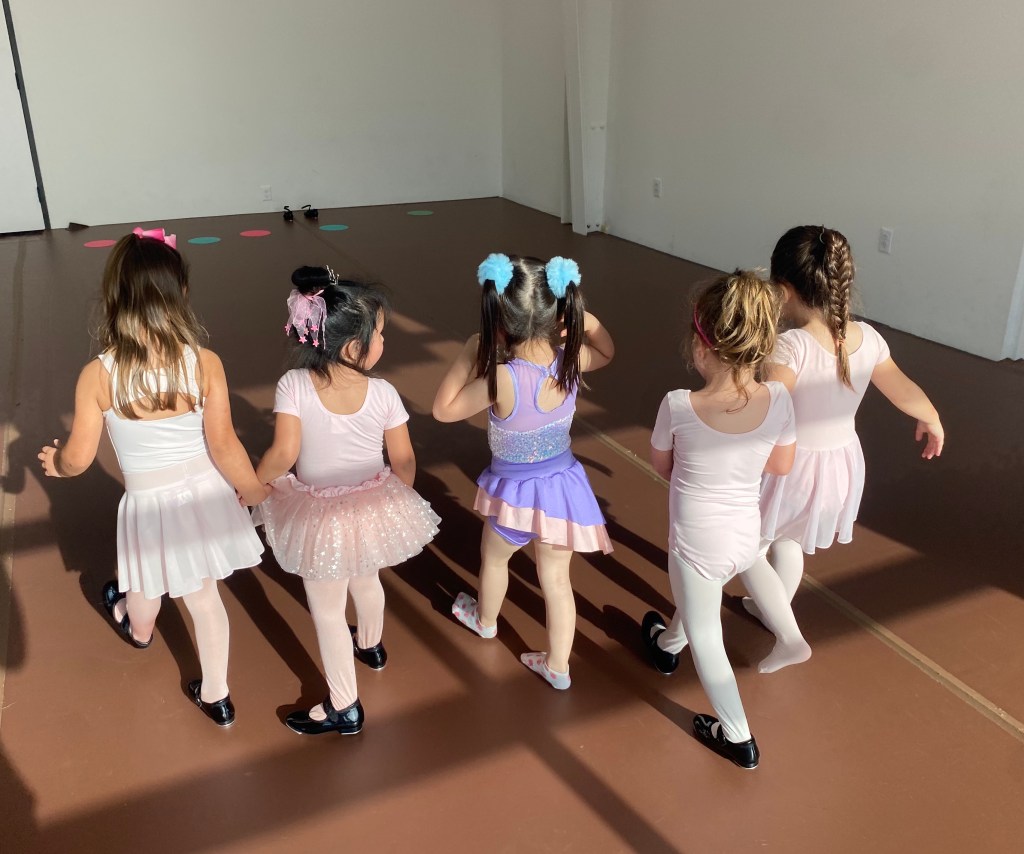
You’ve probably watched your toddler spin around the living room, arms outstretched, completely lost in their own little world of music and movement, and wondered: Should I put them in dance? Is now the right time? Are they ready? Will they even listen in a class setting? Here’s the truth: those spinning moments are already the beginning of something beautiful. And enrolling your young child in dance class isn’t just about learning to point their toes. It’s about building a foundation that will serve them for the rest of their lives.


“But Are They Too Young?”
This is the number one question parents ask, and it’s a fair one. If you’re the parent of a three-year-old, you know that simply getting them to put on shoes is a negotiation. Getting them to follow instructions in a class sounds like a fantasy.
“My child is only 3 years old, they don’t even listen to me! Will they actually learn anything? I feel like I’m just paying for them to spin in circles.”
If this sounds like something you’ve said out loud (or just thought very loudly), you are in excellent company. And the answer might surprise you: yes, they are ready, and yes, they will learn far more than you expect.
Young children don’t learn the way adults do. They learn through play, repetition, music, and movement. A well-designed early childhood dance program meets them exactly where they are. The “spinning in circles” IS the lesson! It’s teaching their bodies to understand space, balance, and rhythm. The magic is in the structure that surrounds it.


What Your Child Actually Gains in Early Dance
Dance class for young children is one of the most developmentally rich activities available. Here’s what’s really happening beneath all those twirls:
    •    Coordination & Motor Skills: Gross and fine motor development through structured, intentional movement patterns.
    •    Listening Skills: Following multi-step instructions in a fun, low-stakes environment builds real attention spans.
    •    Confidence: Mastering new skills in a supportive setting teaches children to trust their own abilities.
    •    Social Development: Foundational social skills such as learning to share space, take turns, and be part of a group.
    •    Discipline: The gentle structure of dance class introduces the concept of working toward a goal.
And here’s something many parents miss: the classroom skills your child builds in dance directly transfer to school readiness. Learning to stand in line, wait for their turn, listen to a teacher, and participate in a group activity aren’t just dance skills, they are the exact behaviors that will make your child’s kindergarten transition smoother and more successful.
One of the most overlooked benefits of early dance is how it prepares children for the structure of school. Children who’ve had consistent dance training often adapt more easily to the classroom environment because they’ve already practiced it.


The Long-Term Benefits Are Bigger Than You Think
When you enroll your three-year-old in dance, you’re not just filling a Tuesday afternoon. You are planting seeds that grow quietly over the years.
    •    A foundation for future dance training: Children who start young have body awareness and musicality that simply cannot be rushed or replicated later.
    •    Easier transitions into school structure: Perhaps the most underrated benefit in all of early childhood development. Dance teaches children how to be a disciplined student and makes their transition into structured activities much smoother.
    •    Physical confidence in sports and other activities: Balance, coordination, and spatial awareness carry into every sport and physical activity they’ll ever try.
    •    A genuine appreciation for the arts: In a world of screens and fast entertainment, teaching children to find joy in music, movement, and performance is a gift that lasts a lifetime.


Answering Every “What If” You Have
Every parent comes with questions. Here are the ones we hear most often:
“What if my child is shy?” Dance class may be one of the best gifts you can give a shy child. It provides structure and predictability, so they always know what’s coming next. Over time, the confidence they build expressing themselves through movement often blooms into confidence in every other area of life. Shy kids frequently become the most invested dancers.
“What if they don’t sit still?” Then dance is absolutely the right place for them. Dance class is designed for children who need to move. The goal isn’t stillness, it’s channeled energy, purposeful movement, and learning to redirect that beautiful, endless energy into something expressive and structured.
“What if they don’t want to participate every day?” Completely normal. Young children have moods, big feelings, and off days, just like adults. A good teacher knows how to gently encourage without forcing, and how to make the class so engaging that even reluctant participants find themselves drawn in. Consistency matters more than perfection.
“What if they cry when I leave the room?” This is one of the most common experiences in early childhood classes, and it almost always resolves within a few weeks. Children are remarkably adaptable. What helps most is a cheerful, confident goodbye from you. Your energy sets the tone. Teachers are experienced with transitions, and most tears are short-lived once class begins.
“My child is only two, how can they sit through a dance lesson?” They don’t have to sit through it, they move through it! Classes for our youngest dancers are designed around short, engaging activities with lots of variety, music, and movement. There is no sitting still required. Every minute is structured to honor a two-year-old’s attention span and developmental stage. Plus our Two’s and Tutu’s class is designed to help ease the transition from class with a parent, to class on our own. We allow parents to sit in on classes for the first half of the semester to ease the transition of our littlest dancers, so you’ll get to see in real time as their skills grow!


Early dance is about planting seeds.
Not every child who starts dance at age two or three will grow up to perform on stage, and that’s perfectly okay. What every child will gain is confidence in their body, joy in movement, and the experience of belonging to something. They will learn what it feels like to try something hard and get better at it. They will make friends. They will find out that they are capable. Those seeds, planted early, grow in ways you cannot always predict, and often in the most wonderful directions.


Ready to give your little one the gift of dance?
We are now enrolling young dancers in the Elyson area. Classes are thoughtfully designed for the youngest movers nurturing, joyful, and developmentally appropriate. We’d love to welcome your family to the floor.

Give us a call today, and schedule your free trial class! We can’t wait to meet you!
Stickers

We now have Ballet Elle stickers for your car for $18. We can have them personalized. Order now for $22.

2023 Summer Classes

9am – 12pm • $215 per camp AGES & DATES

  • 3-4 yr olds, June 5th – 9th
  • 5-6 year olds, June 12th – 16th
  • 7-8 yr olds, June 19th – 23rd
  • 9-10 yr olds, June 26th – 30th